TRT side effects and health risks: what to watch for
By Sarah · Updated 2026-07-02
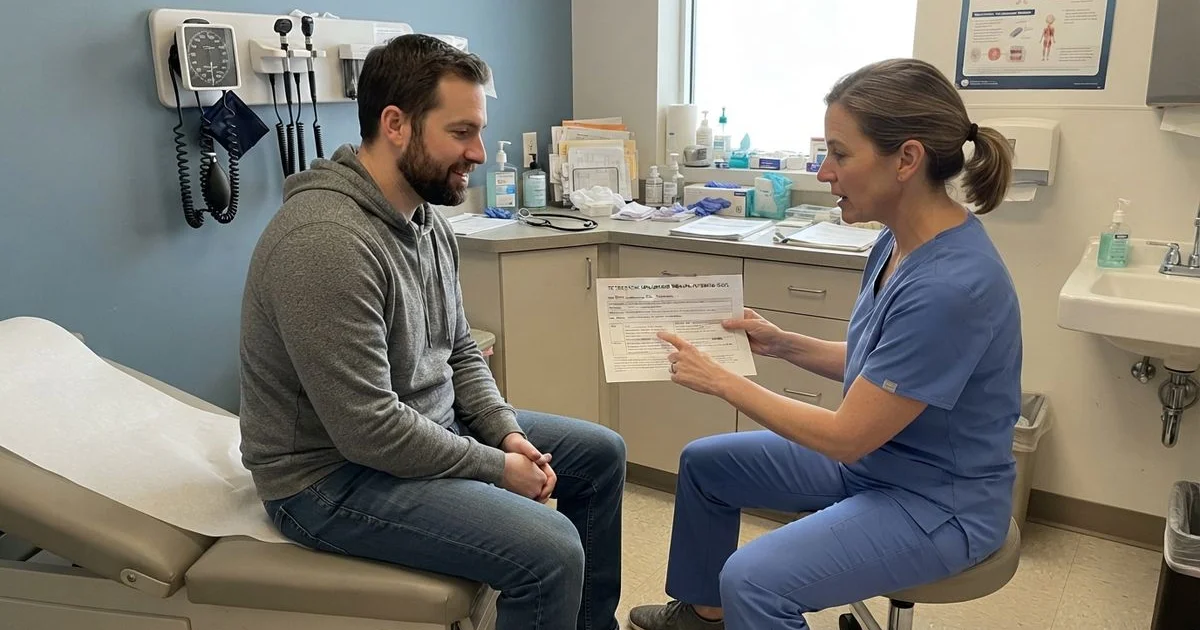
Testosterone therapy helps a lot of men feel more like themselves again, but it’s still a hormone therapy with real physiological effects beyond the ones you’re hoping for. Knowing what to watch for, and what your follow-up labs are actually checking, makes it much easier to catch a problem early instead of after it’s become a bigger one.
The side effects monitoring is built around
| Risk area | What it looks like | Why labs matter |
|---|---|---|
| Elevated red blood cell count | Thicker blood, higher stroke and clotting risk if left unchecked | Hematocrit is checked at baseline and every follow-up |
| Prostate changes | Testosterone can speed growth of an existing, undetected cancer | PSA testing at baseline and periodically during treatment |
| Estrogen imbalance | Breast tenderness, water retention, mood swings from elevated estradiol | Estradiol levels are checked alongside testosterone |
| Sleep apnea | Testosterone can worsen an existing, undiagnosed case | Providers screen for symptoms like loud snoring or daytime fatigue |
| Fertility suppression | Reduced sperm production is common on standard testosterone therapy | Relevant mainly if you’re trying to conceive; discuss with your provider before starting |
| Skin changes | Acne or oily skin, more common at higher doses | Usually manageable with dose adjustment |
None of these mean TRT is unsafe when it’s properly monitored. They mean monitoring exists for a reason, and skipping it is where real risk creeps in. Fertility deserves its own conversation, since it isn’t just a line item on a lab report: the guide on how TRT affects fertility covers what to ask before you start if having children is part of your plan.
Why the injection schedule matters for side effects
How often you inject affects how stable your levels stay. Larger, less frequent doses tend to produce bigger peaks and valleys in testosterone and estradiol, which can make side effects like mood swings or acne more noticeable. Smaller, more frequent doses generally produce steadier levels. If side effects are bothering you, adjusting frequency, not just dose, is often the first thing worth discussing with your provider.

What good monitoring actually looks like
A provider who’s managing this properly checks labs at baseline, again around 6 to 12 weeks after starting or adjusting your dose, and roughly every 6 months once things stabilize. If your hematocrit or PSA is trending up, they should be adjusting your plan rather than noting it and moving on. Centers that never recheck labs after the first visit, or that brush off elevated numbers, aren’t managing risk the way they should be.
Who carries more baseline risk
Side effect risk isn’t identical for everyone starting TRT. Men with existing heart disease, a history of blood clots, untreated sleep apnea, or an elevated baseline PSA carry more risk going in, and a thorough provider should factor that into both the decision to treat and how closely you’re monitored afterward. This doesn’t mean TRT is off the table for men with these conditions, but it does mean the conversation about risk versus benefit should be more detailed, and the monitoring schedule may need to be tighter than the standard timeline.
Real risk vs. manageable risk
It helps to separate what’s a routine monitoring finding from what’s an emergency. Elevated hematocrit that gets caught on a routine lab and adjusted with dosing is a manageable, expected part of therapy for some men. Chest pain, sudden leg swelling, or shortness of breath is not something to wait on. That distinction matters more than any single number on a lab report.
Side effects that are more annoying than dangerous
Not every side effect points to a serious risk. Acne, mild breast tenderness, or a bit of water retention early in treatment are common, tend to settle as your dose gets fine-tuned, and are worth mentioning at your next visit rather than treating as an emergency. The distinction matters: routine, expected adjustments don’t need a same-day call, while the warning signs listed above do.
This information is general and not a substitute for medical advice. Your own risk profile depends on your health history, current medications, and lab results, so any concerning symptom should go directly to your prescribing provider rather than being self-managed.
Our methodology page explains how we weigh monitoring practices and patient feedback when scoring providers, and you can browse the full list of Florida clinics from the Florida TRT Guide homepage.
FAQ
- What is the most common side effect of TRT?
- Elevated red blood cell count, measured as hematocrit, is one of the most common findings on follow-up labs. It's usually manageable with dose adjustments or, occasionally, blood donation, but it needs to be caught through regular testing.
- Can TRT cause heart problems?
- Research on cardiovascular risk has been mixed, with some studies suggesting a possible link at high doses or in men with existing heart disease, and others showing no added risk in appropriately monitored patients. This is a conversation to have directly with your provider, especially if you have existing heart risk factors.
- Does TRT affect the prostate?
- Testosterone therapy doesn't appear to cause prostate cancer, but it can accelerate growth of an existing, undetected cancer, which is why PSA testing is a standard part of monitoring before and during treatment.
- What symptoms mean I should call my provider right away?
- Chest pain, shortness of breath, sudden swelling in one leg, or significant mood changes warrant an immediate call. Don't wait for your next scheduled follow-up if something feels seriously off.