TRT delivery methods compared: injections, gels, pellets and patches
By Sarah · Updated 2026-07-06
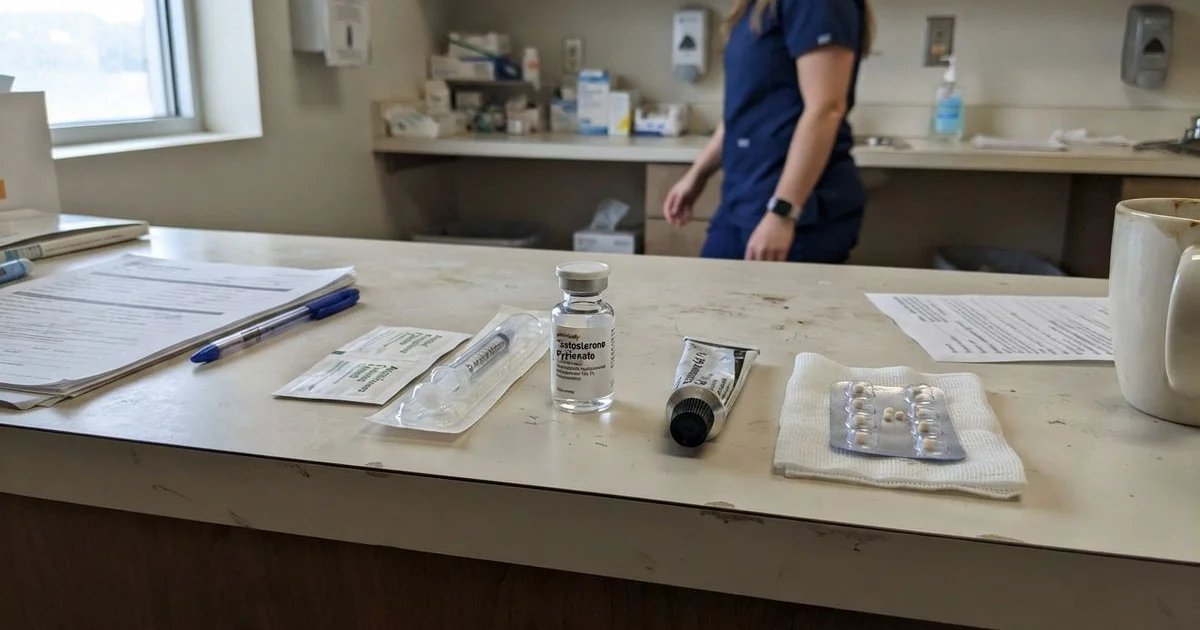
There’s no single “best” way to take testosterone. The right delivery method depends on how often you’re willing to dose, how stable you want your levels to feel day to day, and what your TRT injections and hormone optimization provider is comfortable managing. Here’s how the main options actually compare.
The main options, side by side
| Method | Typical frequency | Convenience | Level stability |
|---|---|---|---|
| Self-injection (cypionate/enanthate) | Weekly to twice weekly | Requires comfort with needles; most flexible on timing | Moderate; levels peak then taper between doses |
| In-clinic injection | Weekly to biweekly | No self-administration, but ties you to appointments | Similar to self-injection |
| Topical gel or cream | Daily | Simple to apply, but requires a consistent daily routine | Lower peaks, steadier day to day if applied consistently |
| Subcutaneous pellets | Every 3 to 6 months | Minimal day-to-day effort after insertion | Very stable, but cannot be adjusted once inserted |
| Transdermal patch | Daily | Simple to apply, though skin irritation at the site is a common complaint | Similar to gel; steadier than injections but can shift with skin absorption |
Patches were more common years ago and are prescribed less often today, mainly because skin irritation at the application site pushes many patients toward gels or injections instead. They’re still an option some providers offer, particularly for men who want a steady daily method without a topical cream.
What actually drives the choice
Comfort with needles matters more than people expect. Self-injection is generally the most cost-effective option, but it’s a real dealbreaker for some men. If that’s you, in-clinic injections, gels, or pellets are worth prioritizing over cost alone.
Daily routines suit some people and derail others. Gels work well if you can build applying it into a habit, like brushing your teeth. If your schedule is unpredictable, or you frequently forget a daily step, injections or pellets that don’t require daily attention may fit better.
Adjustability matters if you expect to fine-tune your dose. Injections and gels can be adjusted relatively quickly if your labs or symptoms call for a change. Pellets are the least flexible: once inserted, the dose is fixed until they dissolve, which is typically several months.
How steady you want your levels to feel varies by person. Some men notice a dip in energy or mood in the days before their next injection is due, as levels taper. Others don’t notice much difference. If you’re sensitive to that kind of fluctuation, a more frequent, smaller-dose injection schedule or a steadier method like gel may feel better than a larger, less frequent dose.
Cost is part of the decision too
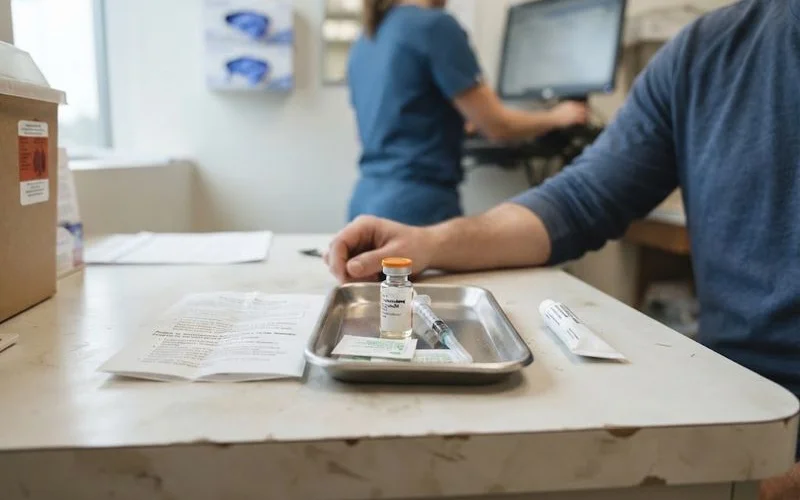
Self-injection is usually the least expensive route since it skips per-visit clinic fees. Pellets carry a higher upfront cost per procedure but are dosed only a few times a year. Gels tend to run higher on a monthly basis than injectable testosterone, partly due to absorption loss during application. None of this is a fixed rule, since pricing varies by clinic, but it’s a reasonable starting expectation.
What men actually end up choosing
Self-injection remains the most commonly prescribed method in Florida clinics, largely because of the balance it strikes between cost and effectiveness once patients get comfortable with the process. Pellets tend to appeal to men who specifically want to avoid remembering a weekly or daily routine and are willing to accept a higher upfront cost and less flexibility in exchange. Gels attract patients who are uncomfortable with needles but can commit to a consistent daily habit. None of these patterns are rules, just common reasons people land where they do.
Talking it through with your provider
A good first conversation covers your comfort with self-administration, how consistent your daily routine is, whether you’ll need to adjust your dose based on labs, and your budget. There’s rarely one objectively correct answer. Providers who default every patient to the same method without asking about these factors aren’t tailoring the plan to you. This conversation usually happens during your first visit; our guide to what to expect at a first TRT appointment covers how that visit typically unfolds.
This is general information about how these methods typically compare and isn’t a recommendation for your specific situation. Your provider will factor in your labs, health history, and preferences before recommending a delivery method.
See our methodology page for how we evaluate providers on treatment options and patient fit, or start comparing Florida clinics from the Florida TRT Guide homepage.
FAQ
- Which TRT delivery method works fastest?
- Injections tend to raise testosterone levels the fastest since the hormone goes directly into muscle or subcutaneous tissue. Gels and pellets take longer to reach a stable level, sometimes several weeks.
- Is one delivery method safer than the others?
- All the standard methods are considered safe when properly prescribed and monitored. The differences are mostly about convenience, cost, and how stable your levels stay between doses, not safety.
- Can I switch delivery methods later?
- Yes, switching is common if a method isn't working for your lifestyle or side effect profile. Your provider will usually want a follow-up lab a few weeks after any change to confirm your levels are stable on the new method.
- Do gels carry any special precautions?
- Topical gels can transfer to another person through skin contact, so providers typically advise covering the application site or waiting a few hours before close skin contact with a partner or child.