What TRT costs in Florida and what changes the price
By Sarah · Updated 2026-06-25
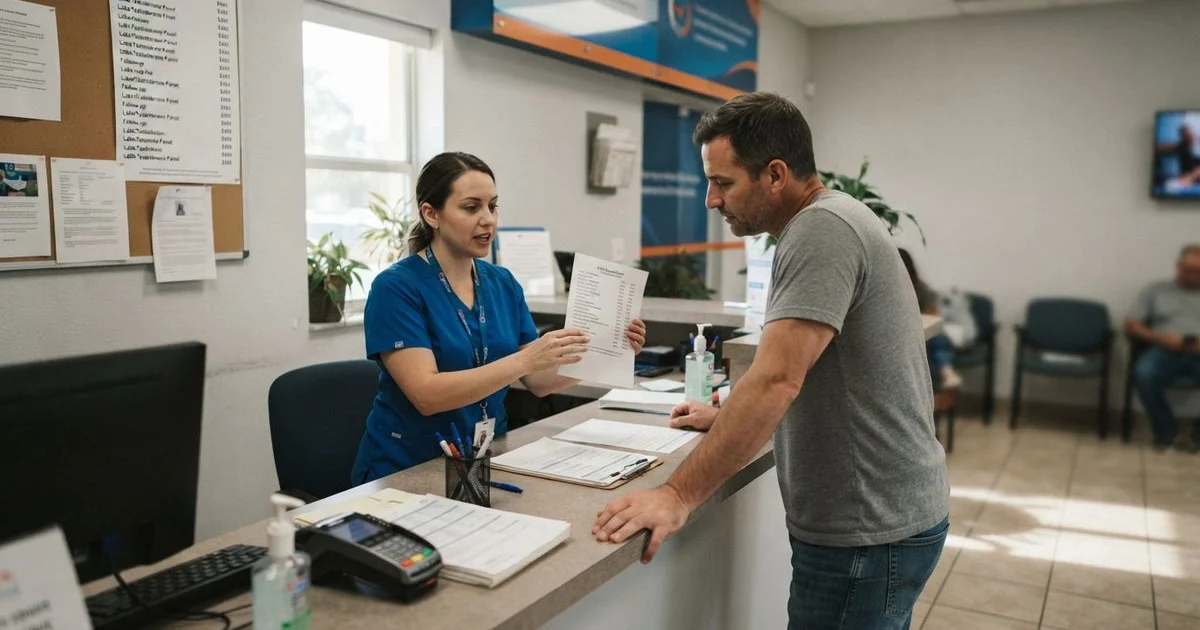
Ask five TRT clinics in Florida for a price and you’ll likely get five different numbers, and not because anyone is lying to you. The final bill depends on what delivery method you’re prescribed, how much of the visit and lab work is bundled in, and what kind of clinic you’re sitting in. Here’s what actually moves the number.
Delivery method is the biggest factor
The medication itself is rarely the most expensive part of TRT, but different delivery methods carry very different total costs once you add the visit structure around them.
| Delivery method | What tends to affect cost |
|---|---|
| Self-administered injections | Usually the least expensive option; medication alone often runs in the $40 to $150 a month range |
| In-clinic injections | Adds a visit fee each time, which roughly doubles the medication-only cost |
| Topical gel or cream | Typically pricier per month than self-injection due to packaging and absorption losses |
| Subcutaneous pellets | Highest cost per procedure, but dosed only a few times a year rather than weekly or monthly |
If cost is your main concern, self-injections paired with a clinic that bundles labs into a flat monthly fee is usually the most budget-friendly combination, though it requires comfort giving yourself a shot.
Labs and provider visits change the total more than people expect
A quote for “medication only” can look deceptively low. Once periodic labs and provider check-ins are added, the total often runs meaningfully higher, sometimes close to double the medication-only price. This isn’t padding: proper TRT care requires checking hormone levels, red blood cell count, and PSA on a regular schedule, and that testing has a real cost whether it’s itemized separately or folded into your monthly fee.
When comparing quotes, ask exactly what’s included. “$99 a month” means something very different if labs are bundled versus billed separately every few months.
Clinic type sets the baseline
Telehealth programs tend to run leaner than brick-and-mortar clinics, since there’s no physical office overhead. Men’s health and Low-T clinics sit in the middle. Concierge-style anti-aging centers, which often bundle TRT into a broader wellness membership with additional services, tend to charge the most. None of these tiers is automatically “better” medicine; they reflect different business models and service bundles.
Insurance and financing
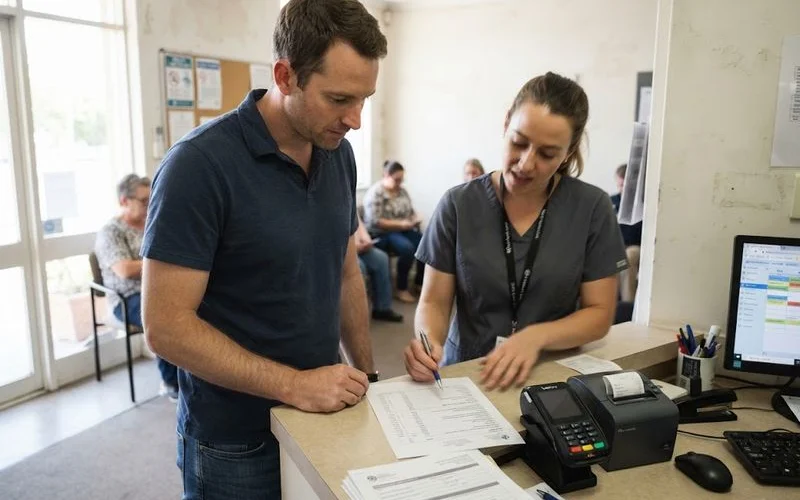
Some plans cover TRT when low testosterone is documented through bloodwork and tied to a diagnosed condition; many plans, particularly for telehealth and concierge programs, don’t cover it at all. It’s worth calling your insurer directly rather than assuming either way, since coverage varies significantly by plan and by how the visit and labs are billed. A number of clinics also offer payment plans or memberships that spread the cost out, which can make an otherwise pricier program more manageable month to month.
Why the same medication can cost different amounts at two clinics
Two men on the exact same weekly dose of the exact same medication can end up with noticeably different bills, and it usually comes down to what’s wrapped into the price rather than the drug itself. A clinic that owns its own on-site lab can often run bloodwork more cheaply than one that sends samples to an outside lab and passes that cost on to you. Pharmacy relationships matter too: a clinic that works with a pharmacy offering competitive pricing on injectable testosterone will naturally quote lower than one that marks up medication through an exclusive in-house pharmacy arrangement. None of this means the more expensive option is doing anything wrong. It just means price alone doesn’t tell you much without understanding what’s built into it.
Watching for cost red flags
A handful of patterns are worth asking about before you commit: pressure to sign a long-term contract on your first visit, pricing that isn’t explained clearly until after your labs come back, and pharmacy partnerships you’re required to use rather than allowed to choose. None of these automatically mean a clinic is a bad fit, but a provider who answers pricing questions plainly, before you’ve committed to anything, is generally the safer bet.
These figures are general ranges based on typical pricing patterns, not a quote. Your actual cost depends on your labs, dose, and the specific clinic you choose, so treat any number here as a starting point for a conversation, not a guarantee.
See our methodology page for how we score Florida providers on pricing transparency and patient feedback, or browse the full directory on the Florida TRT Guide homepage to compare providers directly.
FAQ
- What's a realistic monthly budget for TRT in Florida?
- Most patients land somewhere between $50 and $300 a month depending on delivery method, whether labs and visits are bundled in, and the type of clinic. Pellets and concierge-style memberships tend to sit at the higher end.
- Why do quotes vary so much between clinics?
- Two clinics can prescribe the same medication and land on very different prices because one bundles labs, follow-up visits, and dose adjustments into a flat fee while the other charges for each piece separately.
- Are there hidden costs I should ask about upfront?
- Ask specifically about lab fees, whether follow-up visits are included, pharmacy markups, and whether you're locked into a long-term contract. These are the areas where surprise charges tend to show up.
- Does a higher price mean better care?
- Not necessarily. Price often reflects the delivery method and how much is bundled in, not the quality of monitoring. A cheaper program with proper labs can outperform an expensive one that skips follow-up testing.