Bioidentical hormone therapy for women in Florida: what to know
By Sarah · Updated 2026-08-03
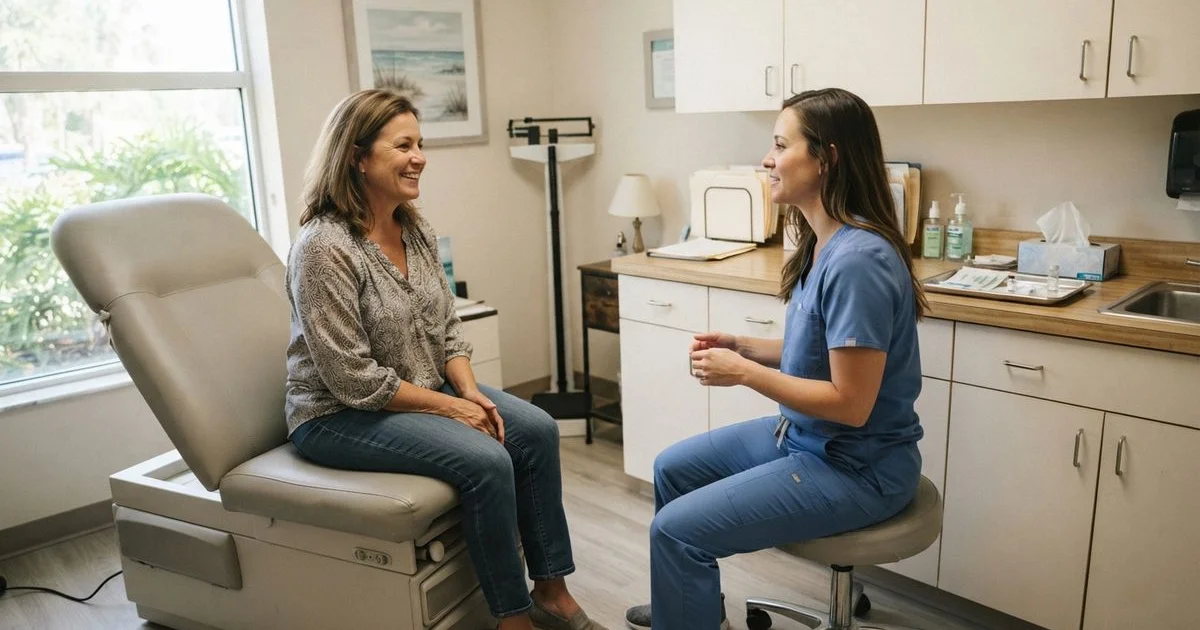
Hormone therapy for women covers different ground than standard TRT, even though both fall under hormone replacement broadly. If you’re researching options for perimenopause or menopause symptoms, here’s what a legitimate program in Florida typically looks like.
What it’s usually treating
Most women seeking bioidentical hormone replacement are dealing with a cluster of symptoms tied to declining estrogen and progesterone during perimenopause or menopause: hot flashes, night sweats, disrupted sleep, mood swings, vaginal dryness, and a drop in libido. Some women also have low testosterone contributing to fatigue and reduced sex drive, which is less commonly discussed but genuinely relevant for a subset of patients.
What a proper workup involves
A thorough first visit should include bloodwork covering your relevant hormone levels, a detailed conversation about your symptoms and menstrual or menopausal history, and a review of your personal and family health history, particularly around breast cancer, blood clots, and cardiovascular disease. These history questions aren’t a formality. They directly affect which hormones and delivery methods are appropriate for you.
| What to expect | Why it matters |
|---|---|
| Hormone panel bloodwork | Confirms which hormones are actually low, rather than guessing from symptoms alone |
| Personal and family cancer history review | Certain hormone therapies carry different risk profiles depending on history |
| Blood clot and cardiovascular risk review | Some delivery methods carry different risk levels for women with existing risk factors |
| Discussion of delivery method | Creams, patches, pellets, and pills all carry different absorption patterns and risk considerations |
Delivery methods vary more than people expect
Bioidentical hormones for women come in several forms: creams and gels, patches, oral tablets, and pellets. Each has a different absorption pattern and risk profile, and the right choice depends on your specific health history and symptoms, not a one-size-fits-all default. A provider who recommends the same delivery method to every patient without discussing your individual risk factors isn’t tailoring the plan to you.

What separates a careful provider from a rushed one
Look for a provider who orders real bloodwork rather than prescribing off a symptom list, discusses your cancer and clotting risk history before recommending a specific hormone or delivery method, and sets a follow-up schedule to reassess your dose and symptoms. Centers that push the same pellet or cream protocol on every patient regardless of history are skipping a step that matters.
Perimenopause vs menopause: why the timing matters
Perimenopause, the years leading up to menopause, is often marked by fluctuating rather than steadily declining hormones, which can make symptoms less predictable and treatment planning a bit more involved. A provider treating a perimenopausal patient may recommend a different approach than for someone who’s fully through menopause with more stable, low hormone levels. If you’re not sure which stage you’re in, that’s a normal starting question for your first visit, not something you need to figure out beforehand.
Talking to your provider about testosterone
Low-dose testosterone is sometimes included in a woman’s hormone therapy plan, particularly when libido or energy remain an issue after estrogen and progesterone are addressed. This is a legitimate, evidence-informed part of some women’s hormone programs, but it should be based on your bloodwork and discussed specifically, not added automatically. It’s a different workup from standalone testosterone therapy prescribed for men; our guide on signs of low testosterone covers how that diagnosis process differs.
What follow-up typically looks like
Most providers recheck hormone levels and ask about symptom changes somewhere around 8 to 12 weeks after starting treatment, then move to a longer interval, often every 6 months, once things stabilize. This isn’t a one-and-done prescription. Doses are commonly adjusted at least once as your provider gets a clearer picture of how your body is responding, so don’t be surprised if your first prescribed dose isn’t your final one.
This is general information about how bioidentical hormone therapy for women typically works and isn’t medical advice. Whether it’s appropriate for you depends on your full health history, which only a qualified provider can evaluate.
See our methodology page for how we score women’s hormone therapy providers, or browse the Florida TRT Guide homepage to compare clinics and read about their approach to intake, testing, and follow-up before you book a first visit.
FAQ
- What symptoms does bioidentical hormone therapy typically address in women?
- Common reasons women seek treatment include hot flashes, night sweats, mood changes, sleep disruption, low libido, and vaginal dryness tied to perimenopause or menopause.
- Is bioidentical hormone therapy safer than traditional hormone replacement?
- Not automatically. Bioidentical hormones match the body's natural hormone structure, but safety depends on the specific hormones, dose, delivery method, and your individual health history, not on the word bioidentical alone.
- What testing happens before starting treatment?
- A thorough workup typically includes bloodwork covering estrogen, progesterone, and sometimes testosterone, a review of symptoms and cycle history, and a discussion of personal and family health history, including breast cancer and clotting risk factors.
- Can bioidentical hormones be combined with testosterone therapy for women?
- Yes, some women benefit from low-dose testosterone alongside estrogen and progesterone, particularly for libido and energy. This should be guided by bloodwork and a provider experienced in women's hormone therapy.