Who can legally prescribe TRT in Florida?
By Sarah · Updated 2026-08-02
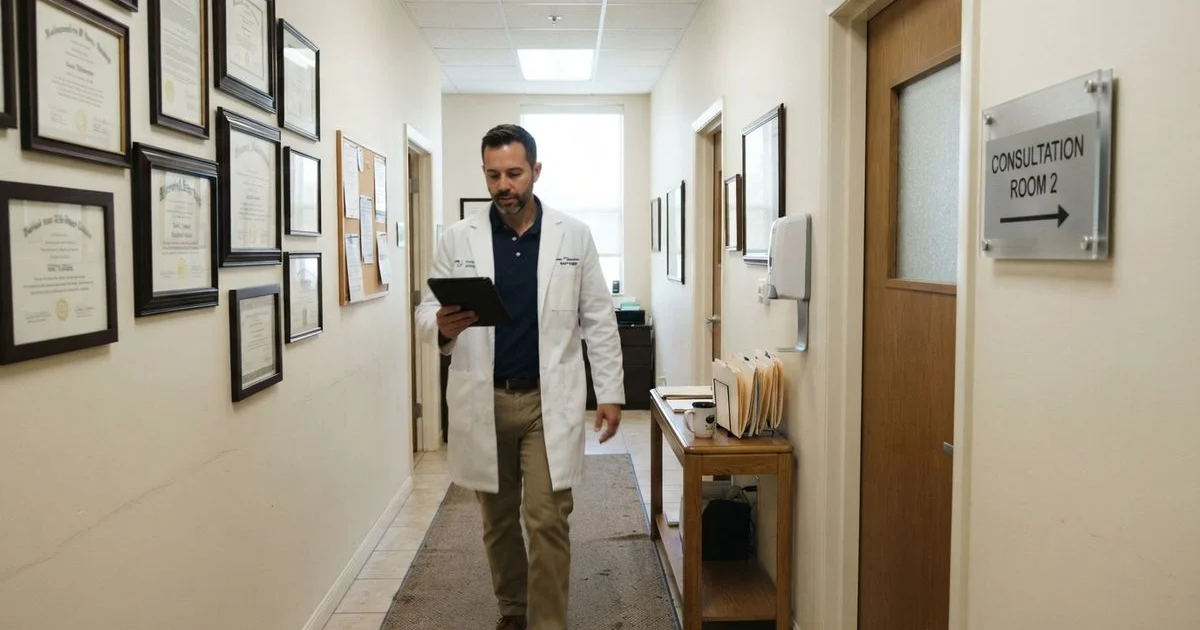
Not everyone working the front desk of a wellness clinic can legally write you a testosterone prescription. Knowing who actually can, and what to check before your first visit, helps you avoid clinics that are cutting corners on the credentials side.
Who can legally prescribe testosterone in Florida
| Prescriber type | Prescribing authority |
|---|---|
| MD (medical doctor) | Full prescribing authority within their scope of practice |
| DO (doctor of osteopathic medicine) | Full prescribing authority within their scope of practice, equivalent to an MD |
| Nurse practitioner (NP) | Can prescribe testosterone, either independently or in collaboration with a physician depending on certification and setting |
| Physician assistant (PA) | Can prescribe testosterone while working under physician supervision |
What none of these can do legally is prescribe testosterone without a documented medical basis, since it’s a controlled substance with specific requirements around evaluation and recordkeeping.
Who cannot prescribe it
Health coaches, wellness consultants, personal trainers, and other non-licensed staff cannot prescribe testosterone, regardless of how their title is marketed. If a clinic’s website or intake process makes it unclear whether you’ll actually see a licensed prescriber, that’s worth clarifying directly before booking. A legitimate clinic will be upfront about who is reviewing your labs and writing your prescription.
How to verify a provider’s license
Florida’s Department of Health maintains a public license verification system that lets you confirm whether a specific provider holds an active license and check their specialty. This takes a few minutes and is a reasonable step before committing to a clinic you haven’t used before or heard about from someone you trust, especially for a telehealth provider based outside your immediate area.
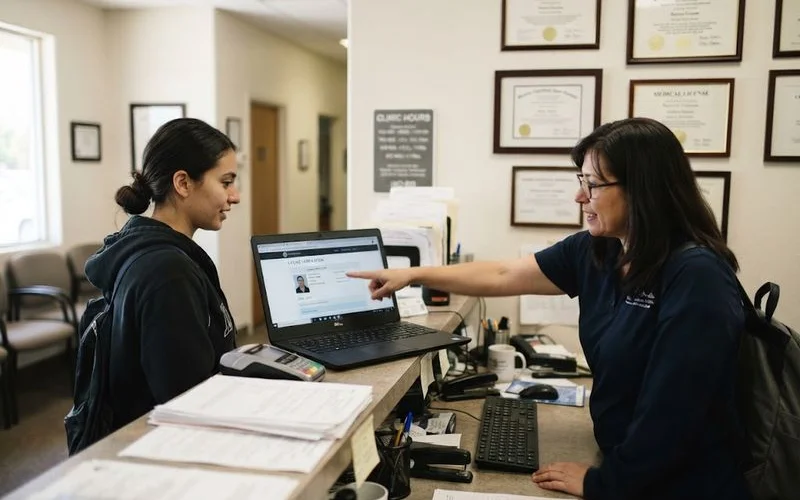
Supervision requirements can vary by setting
Whether a nurse practitioner or physician assistant is prescribing independently or under a supervising physician’s oversight can depend on their specific certification, the clinic’s structure, and current scope-of-practice regulations, which have shifted in recent years for some provider types. This isn’t something you typically need to investigate in detail yourself. It’s more relevant as context for understanding why one clinic’s org chart looks different from another’s, and why asking who ultimately reviews your case is a reasonable question regardless of which type of prescriber you see first.
Credentials aren’t the whole story
A valid license confirms someone is legally allowed to prescribe testosterone. It doesn’t guarantee they’ll order proper bloodwork, explain your results clearly, or follow a real monitoring schedule. Plenty of well-credentialed providers cut corners on the process side, and plenty of NPs and PAs run thorough, well-monitored TRT programs. Checking the license is a baseline step, not the entire vetting process.
Telehealth adds one more thing to check
If you’re using a telehealth TRT program, the prescriber treating you needs to hold an active Florida license, or a valid telehealth registration recognized by the state, even if the company itself is headquartered elsewhere. It’s a reasonable question to ask directly: is the specific person reviewing my labs and writing my prescription licensed to practice in Florida. A legitimate telehealth company should be able to answer this without hesitation, since it’s a basic requirement of operating in the state, not an unusual request.
Questions to ask beyond “are you licensed”
Once you’ve confirmed a provider is legitimately licensed, it’s worth asking who specifically reviews your labs, how often you’ll be seen for follow-up, and what happens if a lab result comes back abnormal. Clear, specific answers to those questions tell you more about the quality of care than the credential alone.
Verifying a prescriber takes a few minutes and can save you from a much bigger headache later, whether that’s a prescription that isn’t actually valid or a clinic that closes down without warning, leaving you without access to your medical records or a documented treatment history.
This is general information about prescribing rules and isn’t legal advice. Scope-of-practice rules can vary by setting and can change over time, so confirm current requirements with a licensed provider or attorney if you have specific questions.
Our methodology page explains how we verify provider credentials when scoring clinics, and you can browse licensed Florida providers from the Florida TRT Guide homepage.
FAQ
- Can a nurse practitioner prescribe testosterone in Florida?
- Yes, nurse practitioners with appropriate training and authority can prescribe testosterone in Florida, either independently under current scope-of-practice rules or in collaboration with a physician, depending on their specific certification.
- Can a health coach or wellness consultant prescribe TRT?
- No. Only licensed prescribers, such as MDs, DOs, nurse practitioners, and physician assistants working within their scope of practice, can legally prescribe testosterone. A health coach or unlicensed wellness consultant cannot, no matter how the role is marketed.
- How do I verify a provider is actually licensed?
- Florida's Department of Health maintains a public license verification system where you can confirm a provider's license status and specialty. It's worth checking before your first visit, especially with a clinic you haven't heard of before.
- Does the type of prescriber affect the quality of care?
- Not necessarily. What matters more is whether the specific provider orders proper bloodwork, explains your results, and follows a real monitoring schedule, regardless of whether they're an MD, DO, NP, or PA.